A One-Year A.A. Degree in Islamic Studies
You have been meaning to learn your religion for years now. IUMN Seminary was established to teach busy students and professionals at a deeper and more organised level, with classes on weekday evenings, in person or online.
Registration is now open!
Part of the Islamic University of Minnesota
IUMN Seminary is a seminary college established in 2006 under Sh. Dr. Waleed Edrees al-Meneese. The University grants degrees from Associate through to PhD in the Islamic sciences.
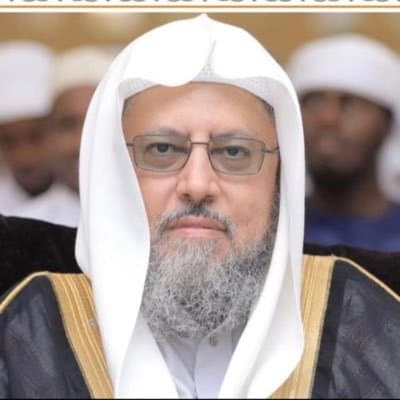
Sh. Dr. Waleed Edrees al-Meneese
He serves as President of the University and directs this program. He studied in Riyadh with Sh. ‘Abd al-‘Aziz ibn Baz, Sh. Muhammad ibn ‘Uthaymin, and Sh. ‘Abdullah ibn Jibreen.
Curriculum

Fall semester
Weekday evenings · 4 courses, 12 credits
Fall semester
Weekday evenings · 4 courses, 12 credits
Qur'ānic Sciences I
QS 101 · 3 credits
تفسير قصار المفصل
Commentary on the Short Sūrahs
Line-by-line meaning of the short chapters at the end of the Qur'an
الناسخ والمنسوخ
The Abrogating and the Abrogated
Where a later ruling replaces an earlier one, and how scholars tell
حسن البيان في مشتركات القرآن
Clear Exposition of the Qur'an's Shared Terms
Words in the Qur'an that carry more than one meaning
Hadith Sciences I
HS 101 · 3 credits
نخبة الفكر
Chosen Thoughts
The standard primer on how a hadith is graded sound or weak
الباعث الحثيث
al-Bāʿith al-Ḥathīth
Aḥmad Shākir's commentary on Ibn Kathīr's manual of hadith criticism
Fiqh Sciences I
FS 101 · 3 credits
متن أبي شجاع
The Ultimate Conspectus
The classic beginner’s manual of Shāfiʿī law: purity, prayer, zakat, fasting, hajj, transactions
الورقات
al-Waraqāt
The first book in uṣūl al-fiqh: how a ruling is actually derived from Qur'an and Sunnah
Aqīdah Sciences I
AS 101 · 3 credits
العقيدة الطحاوية
The Ṭaḥāwī Creed
A short, early statement of what Sunni Muslims believe
متن إيساغوجي
Isagoge: An Introduction to Logic
Formal logic, the reasoning tools the other sciences are built on
First Semester Schedule
Mondays & Tuesdays
6:00–7:30 PM · 6 credits

HS 101
Hadith Sciences

AS 101
Aqidah Sciences
Wednesdays & Thursdays
6:00–7:30 PM · 6 credits

FS 101
Fiqh Sciences

QS 101
Qur'anic Sciences
Frequently Asked Questions
Do I need to know Arabic?
Some ability to read and write Arabic is recommended, and it will make the first term considerably easier, but it is not required in order to enroll. Arabic itself is not taught in this program, so if learning the language is your aim, this is not the program for that.
Do I have to take all four courses?
You are not required to take all four. Students who enroll in two courses attend two evenings a week and complete the degree in two years, while those who take all four attend four evenings a week and complete it in one. Classes run from 6:00 to 7:30 in the evening on either path.
Do I have to attend in person?
Attending in person is not required. Every class is taught at the seminary and streamed online at the same time, and the degree can be earned either way.
What if I have never studied formally before?
Most students beginning this term have not studied formally before. The first semester starts at the foundational text of each science, Matn Abī Shujāʿ in fiqh and Nukhbat al-Fikar in hadith, both of which are where a student of any background begins. There is no entrance exam and no prerequisite.
Also: A Two-Year Arabic Program
The program covers reading, writing and speaking, and is taught in person from Monday to Thursday, 7:30 to 9:00 PM. It is open to brothers and sisters at every level.
See the Arabic ProgramApply Now
The degree takes one year and is taught on weekday evenings, with occasional weekend seminars, in person or online.